hkmachine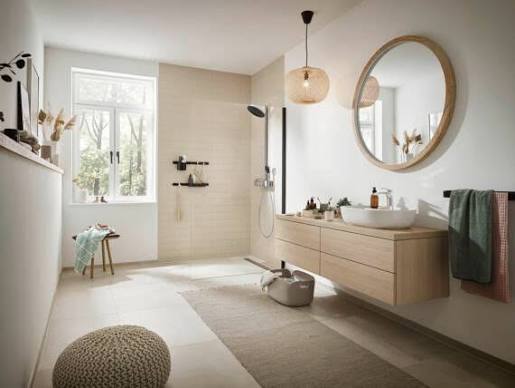
Hong Kong’s dynamic urban environment, design and practicality often merge to create spaces that are both stylish and functional. Among the materials shaping contemporary interiors, artificial stone has become a popular option for homeowners, architects, and designers.
Artificial Stone and Its Origins
The concept of artificial stone was introduced as a man-made alternative to natural stone. Unlike marble or granite, artificial stone is engineered from resins, minerals, and pigments. This composition allows artificial stone to be molded seamlessly into countertops, basins, and wall panels.
For Hong Kong residents, artificial stone offers a practical solution to limited space and high humidity. Its non-porous nature makes it resistant to stains and bacteria, ensuring hygiene in kitchens and bathrooms.
The Unique Features of Artificial Stone
One of the most appealing aspects of artificial stone is its seamless finish. Joints can be fused together to create the illusion of a single continuous piece, which is particularly useful in compact Hong Kong apartments.
Additionally, artificial stone is repairable. Scratches or minor damages can be sanded out, restoring its original look. This feature makes artificial stone a sustainable choice, reducing the need for frequent replacements.
Artificial Stone in Hong Kong Kitchens
Hong Kong kitchens are often small, requiring materials that maximize both function and style. Artificial stone countertops provide a sleek, modern look while offering durability against daily wear and tear.
The ability to integrate sinks directly into artificial stone countertops without visible seams enhances both hygiene and aesthetics. For families, this means easier cleaning and a more polished appearance.
Artificial Stone in Bathrooms
Bathrooms in Hong Kong face challenges of humidity and limited space. Artificial stone basins and vanity tops are ideal because they resist mold and moisture. The smooth finish of artificial stone also adds a touch of elegance, transforming even small bathrooms into stylish sanctuaries.
Designers often recommend artificial stone for shower walls and bathtubs, as its versatility allows for creative shapes and designs.
Artificial Stone and Sustainability
As Hong Kong embraces eco-friendly living, artificial stone aligns with sustainability goals. Many manufacturers now produce artificial stone using recycled materials, reducing environmental impact.
Its long lifespan and repairability further contribute to sustainability, making artificial stone a responsible choice for environmentally conscious homeowners.
Artificial Stone in Corporate Spaces
Beyond homes, artificial stone is widely used in corporate offices, retail stores, and hospitality venues across Hong Kong. Reception counters, display units, and wall claddings made from artificial stone create a professional yet inviting atmosphere.
For businesses, artificial stone offers the advantage of customization, allowing unique branding through colors and textures.
Future Trends of Artificial Stone in Hong Kong
Looking ahead, artificial stone will continue to evolve with new colors, finishes, and applications. Smart technology integration, such as antibacterial coatings, will enhance its functionality.
As Hong Kong’s design scene grows more innovative, artificial stone will remain a key material, bridging practicality with modern aesthetics.
Conclusion: Artificial Stone as a Lifestyle Choice
For Hong Kong residents, artificial stone is more than just a building material. It represents a lifestyle choice that values durability, hygiene, and design. Whether in kitchens, bathrooms, or corporate spaces, artificial stone enhances everyday living while reflecting modern sophistication.
Choosing artificial stone means investing in a future where style and practicality coexist seamlessly. It is a material that continues to redefine interiors, making it an essential part of Hong Kong’s design landscape.